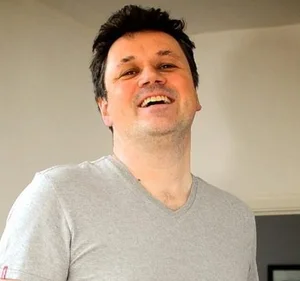
Alastair McMillan on Mixing U2 in Atmos and What No One Tells You About Delivering Dolby Atmos Mixes
Alastair McMillan has been engineering records since 1989, with credits on four Grammy-winning albums, including the Rolling Stones' Voodoo Lounge and Van Morrison's What's Wrong With This Picture? He spent nine years as Van Morrison's recording engineer before joining U2 full-time in 2009, where he has mixed monitors on the road ever since. In 2020, the Edge asked him, in passing, to handle the Dolby Atmos delivery for U2's Songs of Surrender. McMillan had never mixed in Dolby Atmos before. Russ Hughes caught up with him to talk about learning immersive audio under pressure, protecting a rock band's energy in 3D space, and how Immersive Master Pro took the sting out of Atmos delivery.
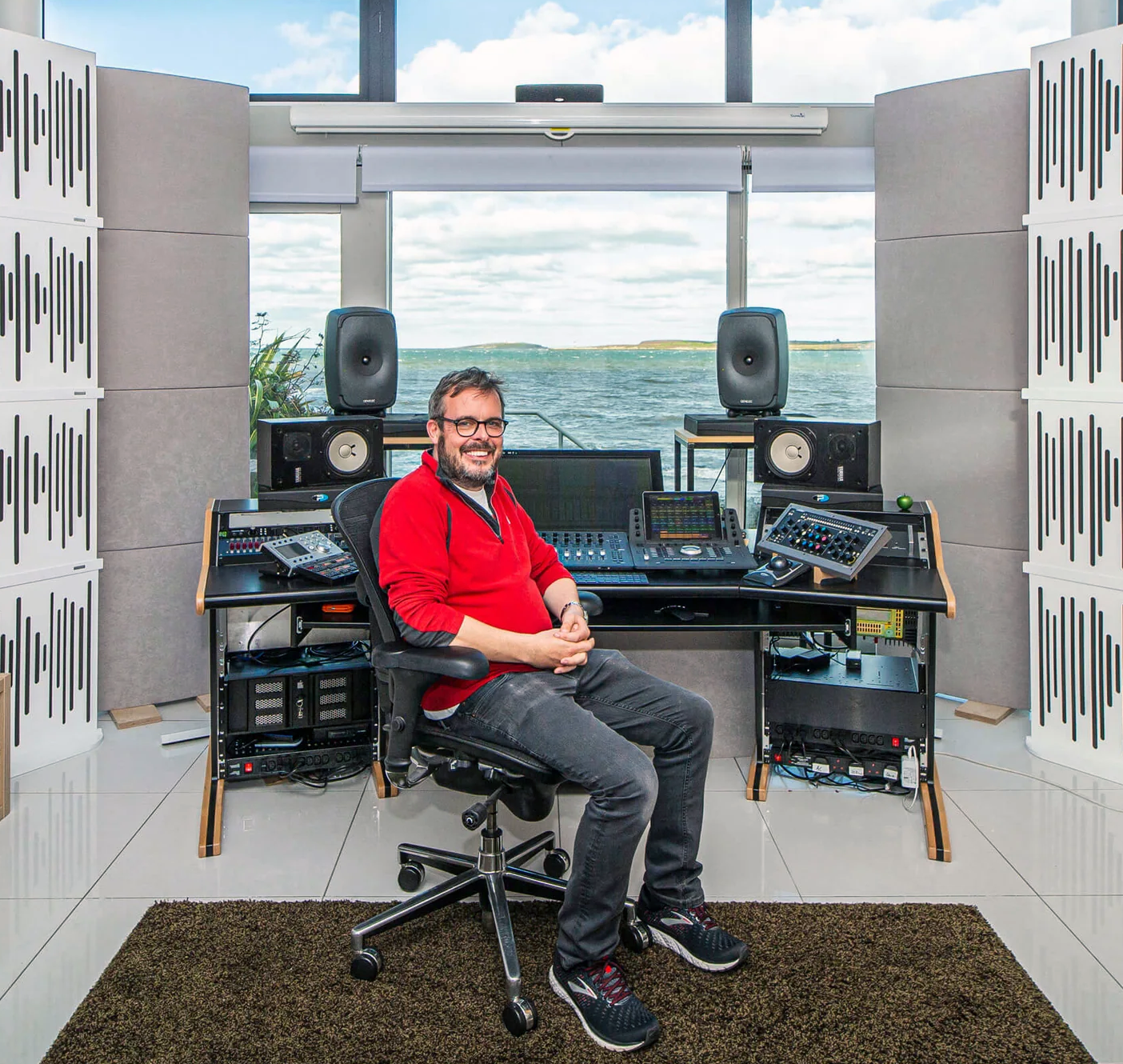
Alastair McMillan
“I was walking out the door from the U2 studio and Edge said, “Oh yeah, we need to deliver an Atmos version, maybe you could look after that.” I said yeah. And I thought, how hard could it be?”
Russ Hughes: How did you get into mixing Atmos?
Alastair McMillan: It was literally a conversation. I was walking out the door from the U2 studio and Edge said, "Oh yeah, we need to deliver an Atmos version, maybe you could look after that." I said yeah. And I thought, how hard could it be?
Russ Hughes: At that point you'd had no experience of Atmos at all?
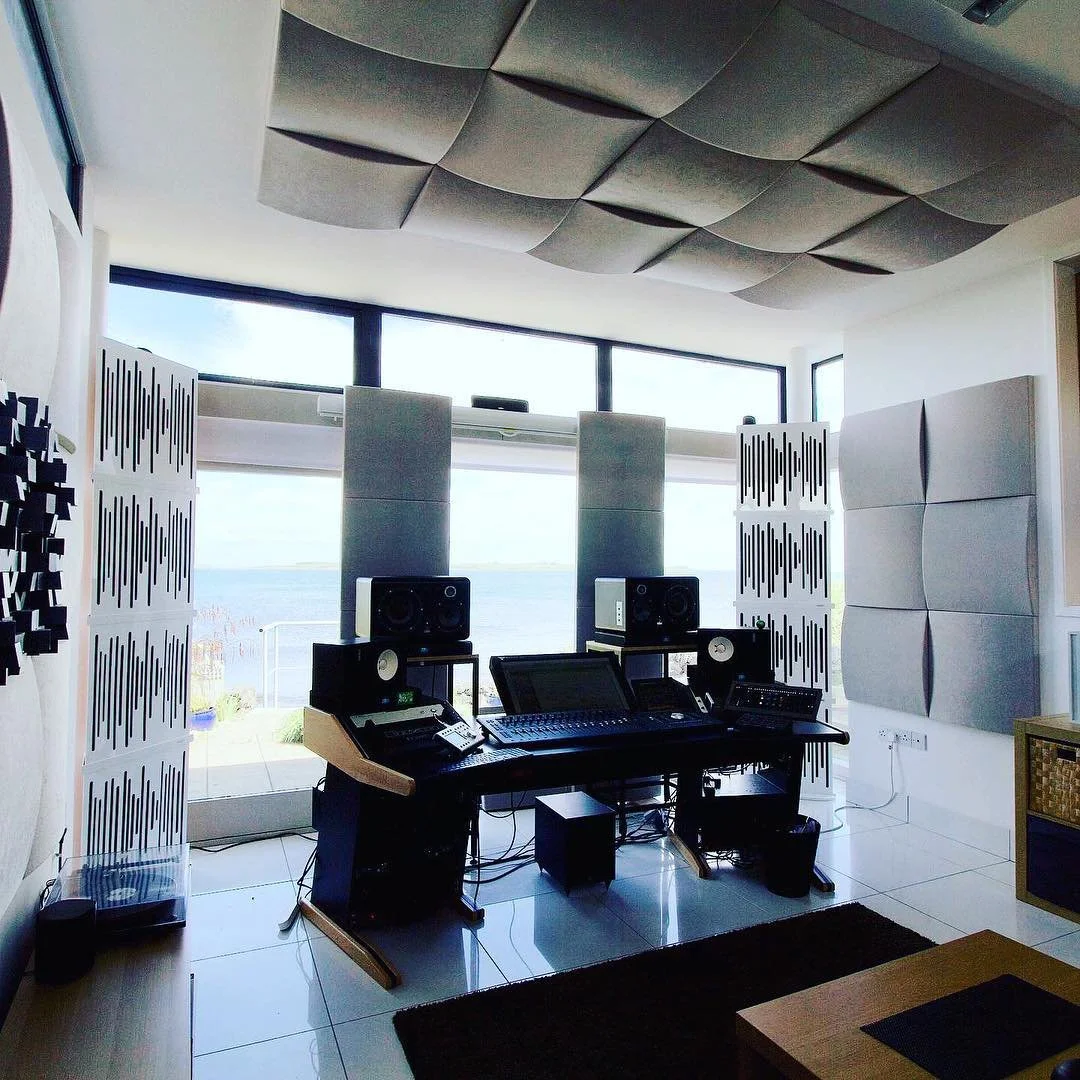
Alastair McMillan: None. But that's where good things happened, because once I started, I realised how much I didn't understand. I went home and started reading. I didn't have the gear or the knowledge, so at first I was just working on headphones, doing it binaurally.
Russ Hughes: So you upgraded the whole studio off the back of one quick conversation with Edge?
Alastair McMillan: Pretty much. I went out and bought all the speakers. And I was very lucky, because the connections are universal. A guy called Chris Jenkins, who works for Dolby and Universal in the States, got in touch and offered to help. He guided me through a lot of the early stuff.
Then came the strangest day of the whole process. I was in the middle of setting up the speakers when the phone rang. The line was garbled, I barely caught the name, and I had to ask him to repeat himself. He said, "My name is Giles Martin, and I believe you've entered into the murky world of Atmos." That was his exact line. He said if I needed any help, to let him know.
Universal have their own Dolby department. Chris Jenkins and a QC engineer, Caroline Hilton, talked me through what I needed to fix on every delivery. Eventually, I went over to Abbey Road to play Giles Martin my mixes. He'd just finished the Atmos version of Revolver, and he played me some of it first. I'm sitting there thinking, I'm in Abbey Road listening to a new Beatles mix, my brain nearly exploded. Then he turned round and said, "Right, let's hear yours.”
Russ Hughes: How did that go?
Alastair McMillan: I found myself physically standing behind a pillar at the back of the room by the end of the playback. But he seemed to think it was okay. I'm eternally grateful for the support I got learning all this.
Russ Hughes: So the whole arc was a conversation with Edge, a stack of new speakers, and within weeks, you've got Dolby and Abbey Road on the phone. That’s a baptism by fire.
Alastair McMillan: Absolutely. Three or four months, start to finish.
Russ Hughes: What was the first project?
Alastair McMillan: Songs of Surrender, U2's lockdown record, forty reworked tracks from the catalogue. The first song I mixed was "The Fly," working from the original multitracks rather than stems.
“What worked was placing the listener in the room with them, so you get the reflections and the ambience around you, while keeping that stereo core intact. Once that foundation is solid, you can start expanding outward. I’ve had more fun experimenting as I’ve gone on, but it’s still about protecting the integrity of the song.”
Russ Hughes: Did the band give you any guidance on methodology, or did they leave you to it?
Alastair McMillan: Edge was the most involved in listening to mixes, and we worked it out together. The big lesson was that you can't deconstruct the music too much. There's so much glue in the original two-bus mix, so much of the track's energy, that if you dismantle it, the whole thing can fall apart.
Russ Hughes: Like plastic surgery. Too much and you don't recognise the patient.
Alastair McMillan: Exactly that. We'd been downstairs listening to "Rocketman" in Atmos earlier, and it still sounds like "Rocketman." Push it too far and it loses the thing that made you love it in the first place. That was the whole lesson with U2: we learned very quickly how not to do it. Just because you can fly a guitar across the room doesn't mean you should.
Russ Hughes: Because at the end of the day they're still a rock band, and most of that sound comes from straight in front of you, off the two-bus.
Alastair McMillan: Right. So the question became how to keep the energy and still make it interesting. The original Dolby idea was putting the listener in the centre of the mix, but with a band, that's a paradox. You don't stand in the middle of a band when you watch them play. What worked was placing the listener in the room with them, so you get the reflections and the ambience around you, while keeping that stereo core intact. Once that foundation is solid, you can start expanding outward. I've had more fun experimenting as I've gone on, but it's still about protecting the integrity of the song.
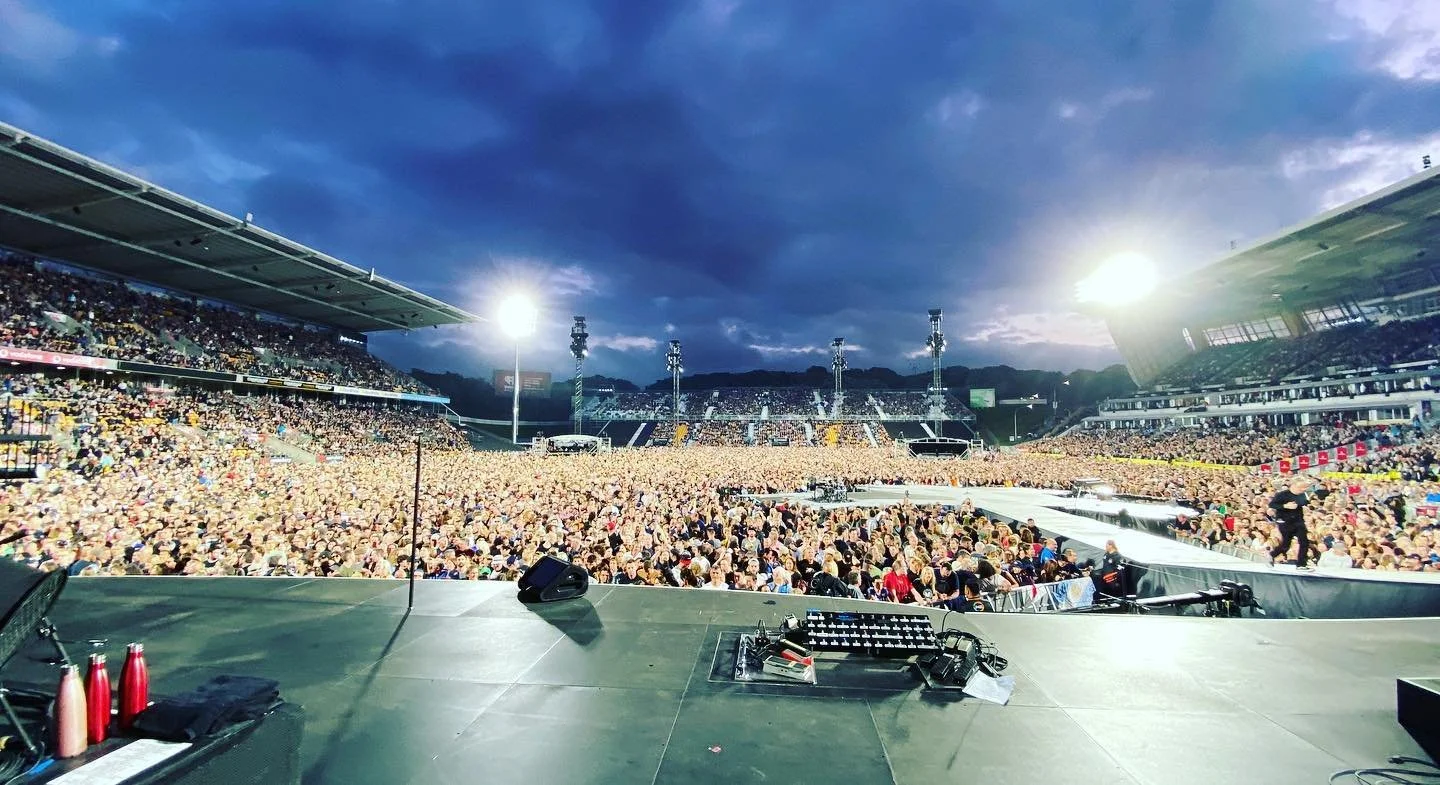
Russ Hughes: Does that get easier with a live album, where the room itself puts people in a stadium?
Alastair McMillan: Definitely easier. And big anthem tracks too, the ones your brain already expects to hear washed in reverb behind and above you.
Russ Hughes: Let's talk about the bit of the job nobody sees. Tell me about the part of Atmos delivery that Immersive Master Pro solved for you, the part that sometimes takes longer than the mix itself.
Alastair McMillan: Hitting every spec. Everyone knows about the minus 18 loudness target, but there's direct rendering, the room low-frequency defaults, all sorts of detail that's easy to lose, especially when you're delivering forty mixes at once.
Russ Hughes: What happened the first time you ran into that?
Alastair McMillan: It broke my brain, honestly. I'd send stuff to Universal's QC team, and it would come back for revisions. Now I put every ADM in one place, process them together, and know they all hit spec at once. I can label them, process them, and deliver, knowing there are no empty objects and no hidden problems waiting to surface later. It's about meeting a long list of specs, and it's very easy to miss a few. Having everything centralised, rather than pulling up each mix individually and rebuilding the checks from scratch, is just quicker.
Russ Hughes: How much time does that save you across a project?
Alastair McMillan: Around 10% of the whole job.
Russ Hughes: So on a month-long mix, that's the best part of a week back.
Alastair McMillan: A few days at least. You're not messing about with all that admin on top of the creative work.
Russ Hughes: Would you recommend it to other engineers working in Atmos?
Alastair McMillan: 100%! It's fantastic. I don't do a delivery without it now. It's just part of the system.
New customers can try Immersive Master Pro free for 30 days. Existing customers who have not yet upgraded to our 2nd-generation license can do so at a competitive upgrade price.
For more information, contact us at info@immersive-machines.com.
#immersivemasterpro #DolbyAtmos #immersiveaudio
Download a 30-day demo of Immersive Master Pro here.